 +86-13752771911
 E-mail:ptfetube@yozonetech.cn



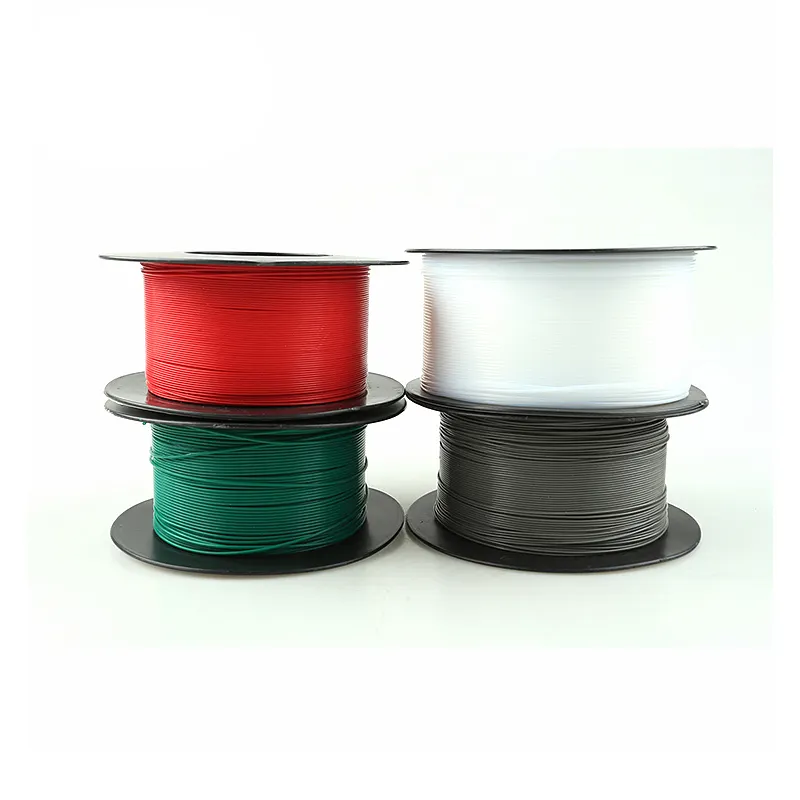
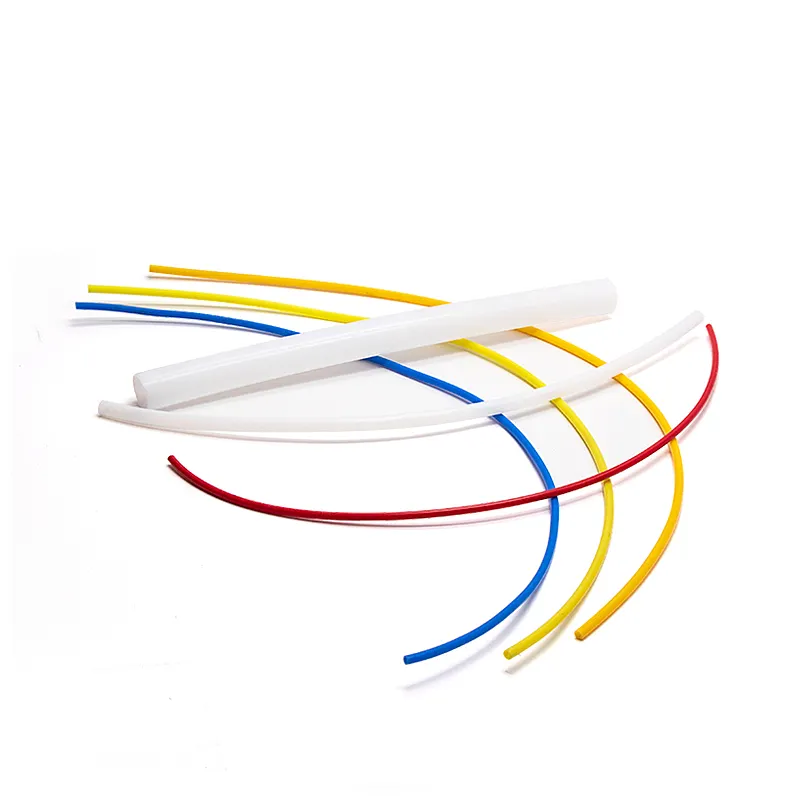
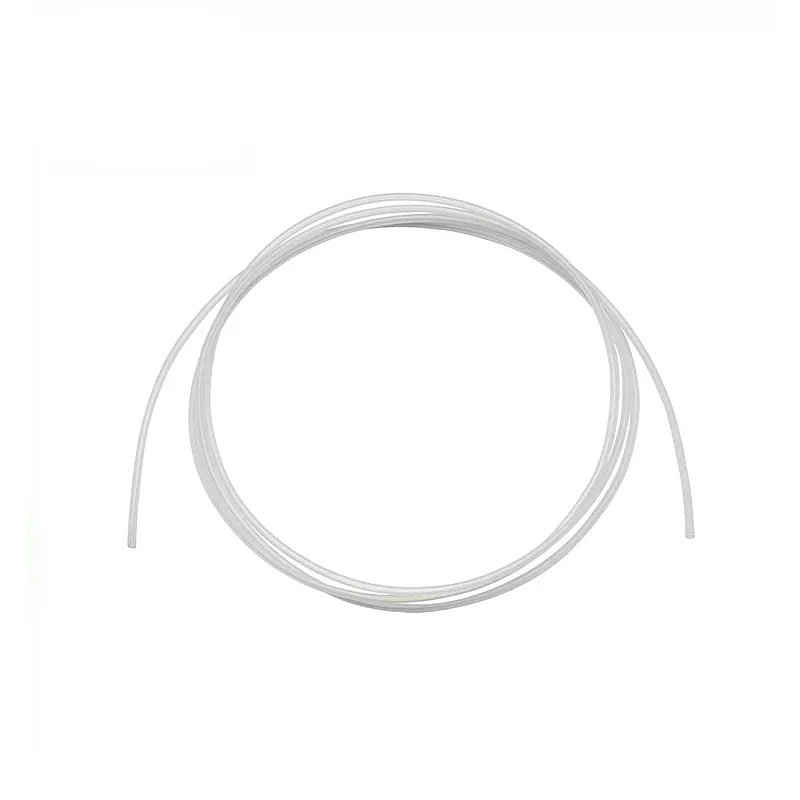
PTFE Capillary 0.05mm Thin-Wall Small Tubing OEM Manufacturer
Precision Small-Bore PTFE Tubing for Fluid Handling, Instrumentation and Industrial Applications
Yozonetech PTFE Capillary Tube is a precision small-bore tubing solution manufactured from high-performance PTFE. Designed for applications where compact dimensions, low friction, chemical resistance, electrical insulation, and dimensional consistency are important, PTFE capillary tubing provides a reliable fluid or cable pathway in demanding environments.
Compared with conventional PTFE tubing, capillary tubing is designed around smaller internal diameters and more precise dimensional requirements. It is widely used in analytical instruments, laboratory equipment, chemical dosing systems, pneumatic control, medical equipment, semiconductor equipment, electrical applications, and other systems requiring small-diameter tubing.
Yozonetech manufactures PTFE capillary tubing in a wide range of AWG-based sizes, with typical internal diameters from approximately 0.25 mm to 8.69 mm. Different S-Type, T-Type, and L-Type outside diameters are available for many sizes, allowing engineers to select the appropriate wall configuration according to their application.
Custom ID, OD, wall thickness, length, packaging, and other specifications can also be discussed according to project requirements.
Key Features
- Small Internal Diameters — Designed for small-bore applications where conventional tubing may be too large.
- Excellent Chemical Resistance — PTFE resists many chemicals, solvents, acids, bases, and aggressive media.
- Low Friction — The naturally low coefficient of friction helps reduce resistance to fluid movement and component insertion.
- High Temperature Resistance — PTFE provides excellent thermal stability for demanding temperature environments.
- Excellent Electrical Insulation — Suitable for wires, cables, sensors, and electrical component protection.
- Smooth Inner Surface — Helps reduce friction during fluid movement or insertion of wires and components.
- Dimensional Options — Multiple OD configurations are available for many AWG sizes.
- Custom Manufacturing — Custom ID, OD, wall thickness, tolerance, length, and packaging can be discussed.
PTFE Capillary Tube Specifications
| AWG | ID Min. (mm) | ID Normal (mm) | ID Max. (mm) | S-Type OD (mm) | T-Type OD (mm) | L-Type OD (mm) | Package (m) |
| 30 | 0.25 | 0.30 | 0.38 | 0.76 | 0.76 | 0.60 | 305 |
| 28 | 0.33 | 0.38 | 0.46 | 0.84 | 0.84 | 0.68 | 305 |
| 26 | 0.41 | 0.46 | 0.53 | 0.92 | 0.92 | 0.76 | 305 |
| 24 | 0.51 | 0.56 | 0.66 | 1.16 | 1.06 | 0.86 | 305 |
| 23 | 0.58 | 0.66 | 0.74 | 1.26 | 1.16 | 0.96 | 305 |
| 22 | 0.66 | 0.71 | 0.81 | 1.31 | 1.21 | 1.01 | 305 |
| 21 | 0.74 | 0.81 | 0.89 | 1.41 | 1.31 | 1.11 | 305 |
| 20 | 0.81 | 0.86 | 0.97 | 1.66 | 1.46 | 1.16 | 305 |
| 19 | 0.91 | 0.96 | 1.07 | 1.76 | 1.56 | 1.26 | 305 |
| 18 | 1.01 | 1.07 | 1.17 | 1.87 | 1.67 | 1.37 | 305 |
| 17 | 1.14 | 1.19 | 1.32 | 1.99 | 1.79 | 1.49 | 305 |
| 16 | 1.29 | 1.34 | 1.47 | 2.14 | 1.94 | 1.64 | 305 |
| 15 | 1.45 | 1.50 | 1.65 | 2.30 | 2.10 | 1.80 | 153 |
| 14 | 1.62 | 1.68 | 1.83 | 2.48 | 2.28 | 2.08 | 153 |
| 13 | 1.83 | 1.93 | 2.05 | 2.73 | 2.53 | 2.33 | 153 |
| 12 | 2.05 | 2.16 | 2.31 | 2.96 | 2.77 | 2.56 | 153 |
| 11 | 2.31 | 2.41 | 2.57 | 3.21 | 3.01 | 2.81 | 153 |
| 10 | 2.59 | 2.69 | 2.84 | 3.49 | 3.29 | 3.09 | 153 |
| 9 | 2.90 | 3.00 | 3.15 | 4.00 | 3.76 | 3.40 | 100 |
| 8 | 3.28 | 3.38 | 3.53 | 4.38 | 4.14 | 3.78 | 100 |
| 7 | 3.65 | 3.76 | 3.94 | 4.76 | 4.52 | 4.16 | 100 |
| 6 | 4.11 | 4.22 | 4.41 | 5.22 | 4.98 | 4.72 | 100 |
| 5 | 4.62 | 4.72 | 4.95 | 5.72 | 5.48 | 6.22* | 100 |
| 4 | 5.18 | 5.28 | 5.53 | 6.28 | 6.04 | 5.78 | 100 |
| 3 | 5.81 | 5.94 | 6.20 | 6.94 | 6.70 | 6.44 | 100 |
| 2 | 6.55 | 6.68 | 6.93 | 7.68 | 7.44 | 7.18 | 100 |
| 1 | 7.34 | 7.46 | 7.75 | 8.46 | 8.22 | 7.96 | 100 |
| 0 | 8.26 | 8.38 | 8.69 | 9.38 | 9.14 | 8.80 | 100 |
Note: Dimensions represent typical manufacturing sizes. Actual tolerances and available configurations should be confirmed according to the selected specification, application, and production requirements.
* The original specification supplied lists 6.22 mm for AWG 5 L-Type OD. Please confirm this value with the production/engineering team before final publication.
S-Type, T-Type and L-Type Configurations
Different outside-diameter configurations allow PTFE capillary tubing to be adapted to different application requirements. A smaller outside diameter can help reduce overall installation space, while a larger wall configuration can provide additional mechanical protection and dimensional stability.
When selecting a capillary tube, engineers should consider:
- Required internal diameter
- Required outside diameter
- Available installation space
- Required wall thickness
- Fluid volume and flow requirements
- Pressure conditions
- Temperature
- Chemical exposure
- Electrical insulation requirements
- Bending and routing conditions
For applications where dimensional tolerances are critical, customers are encouraged to provide drawings or detailed specifications so Yozonetech can recommend the most suitable tubing configuration.
Technical Characteristics of PTFE Capillary Tubing
Chemical Resistance
PTFE is one of the most chemically resistant engineering polymers available. PTFE capillary tubing can be used with many aggressive chemicals, solvents, corrosive fluids, and process media. This makes it particularly useful for laboratory instruments, chemical processing, analytical systems, and semiconductor-related equipment. Actual compatibility should always be evaluated against the specific chemical, concentration, temperature, pressure, and exposure time.
Temperature Resistance
PTFE provides excellent thermal stability and is suitable for high-temperature applications compared with many conventional flexible tubing materials. For applications involving continuous high-temperature exposure, thermal cycling, pressure, or mechanical loading, Yozonetech can evaluate the operating conditions and recommend an appropriate specification.
Low Friction
The smooth PTFE surface and naturally low friction characteristics make the tubing suitable for small-volume fluid transfer, wire insertion, cable protection, probe protection, and moving components.
Electrical Insulation
PTFE has excellent electrical insulating properties and can be used to protect wires, conductors, sensors, and other electrical components in demanding environments.
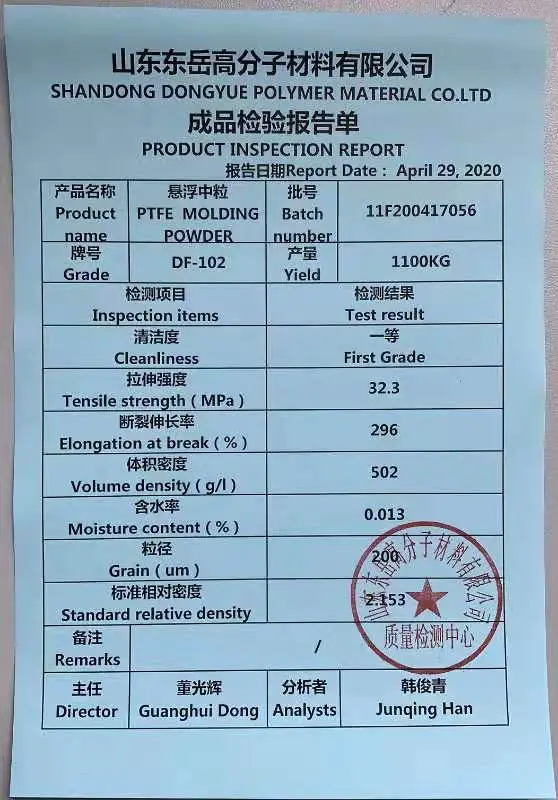
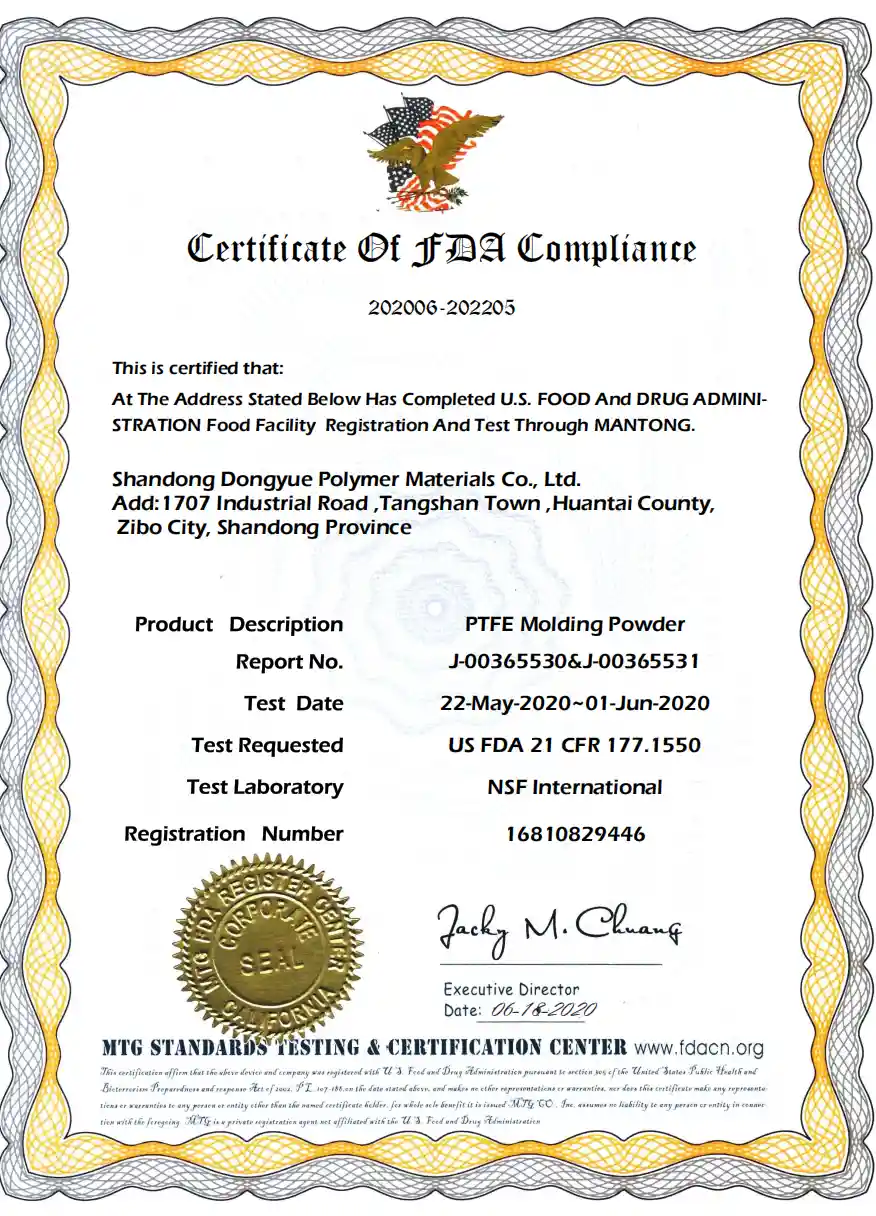
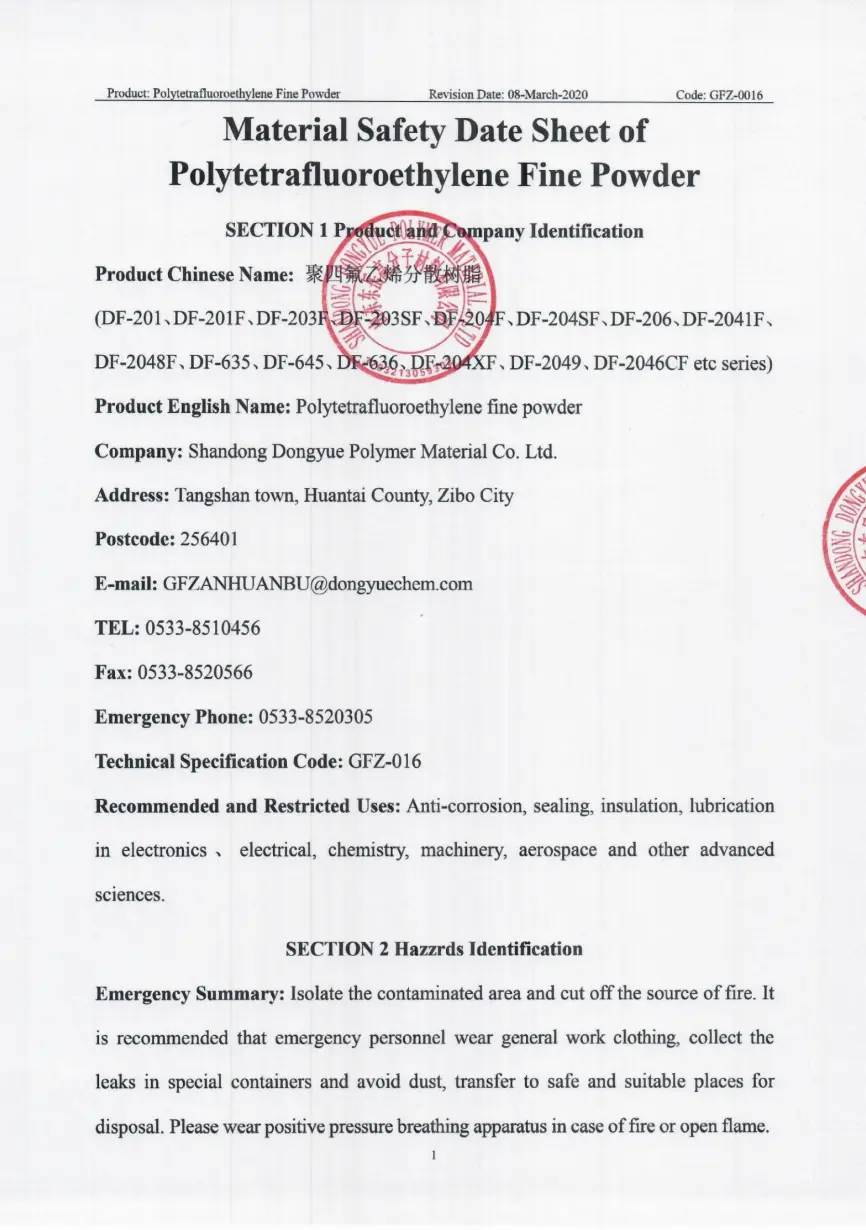
Certifications
Typical Applications
Analytical Instruments
PTFE capillary tubing is suitable for analytical and laboratory instruments where small internal diameters, chemical resistance, and clean fluid pathways are required. Typical uses include analytical fluid lines, sampling systems, instrument connections, chemical reagent delivery, and laboratory equipment.
Chemical Dosing and Fluid Handling
The small bore allows controlled transport of relatively small quantities of liquids or gases. Typical applications include chemical dosing, reagent delivery, sampling, and small-volume fluid transfer.
Semiconductor Equipment
PTFE capillary tubing can be used in selected semiconductor and electronics manufacturing equipment where chemical resistance, thermal stability, and reliable tubing dimensions are required. For high-purity applications, material grade, cleanliness, packaging, and production environment should be specified according to process requirements.
Medical and Laboratory Equipment
Small-diameter PTFE tubing can be used in equipment requiring chemical resistance, low friction, and stable dimensional performance. The appropriate grade and regulatory requirements should be confirmed according to the intended medical application.
Pneumatic and Instrumentation Systems
Suitable for compact pneumatic and instrumentation systems where small tubing dimensions and low friction are beneficial.
Wire and Sensor Protection
Can be used as an insulating or protective sleeve for wires, sensor elements, thermocouples, and other small components.
How to Select the Right PTFE Capillary Tube
1. Select the Required ID
Determine the required internal diameter according to the fluid, wire, probe, or component that will pass through the tube. For fluid applications, consider the desired flow rate and pressure drop.
2. Select the OD
After determining the ID, select the outside diameter according to available installation space and required wall thickness.
3. Consider Tolerance
If the tube is used in precision instruments, metering systems, connectors, or assemblies with tight dimensional requirements, specify the required ID and OD tolerances.
4. Consider Temperature
The actual operating temperature should include continuous operating temperature, short-term temperature peaks, thermal cycling, and contact with heated components.
5. Check Chemical Compatibility
PTFE has excellent chemical resistance, but compatibility should still be evaluated against the actual chemical and operating conditions.
6. Consider Length and Packaging
Yozonetech supplies different standard package lengths according to size and can discuss customized cut lengths or packaging requirements for OEM projects.
Custom PTFE Capillary Tube Manufacturing
Standard sizes cover many common applications, but not every engineering system uses a standard dimension. Yozonetech can support customized PTFE capillary tubing according to customer drawings, samples, or specifications.
- Custom ID
- Custom OD
- Custom wall thickness
- Custom tolerance
- Custom length
- Special packaging
- Material requirements
- OEM specifications
For a quotation, customers can provide the required ID, OD, length, application, operating temperature, media, pressure, and estimated annual quantity. Providing a drawing or existing sample is recommended when dimensional compatibility is critical.
Quality Control
For precision small-bore tubing, dimensional consistency is especially important because even a small variation in ID or OD can influence assembly, fluid flow, or component compatibility.
- Raw material control
- Extrusion process control
- Dimensional inspection
- ID and OD verification
- Visual inspection
- Length control
- Batch consistency
- Packaging protection
For OEM and customized orders, inspection requirements can be discussed before production.
Why Choose Yozonetech PTFE Capillary Tube?
Yozonetech specializes in high-performance fluoropolymer tubing and engineering plastic components for industrial applications. Our capabilities cover PTFE, FEP, PFA, ETFE, PEEK and other engineering polymer products, allowing customers to evaluate different materials when PTFE is not the only suitable option.
- Small-diameter fluoropolymer tubing
- Custom dimensions
- OEM manufacturing
- Drawing-based production
- Material selection
- Sample support
- Batch production
- Technical communication
Our objective is not simply to supply commodity tubing, but to provide a reliable tubing solution matched to the customer's application and technical requirements.
Frequently Asked Questions
1. What is PTFE capillary tubing?
PTFE capillary tubing is small-bore tubing manufactured from PTFE and designed for applications requiring compact dimensions, chemical resistance, low friction, thermal stability, and electrical insulation.
2. What is the smallest PTFE capillary tube you manufacture?
The typical size list supplied for Yozonetech starts at AWG 30, with an ID range of approximately 0.25–0.38 mm and a normal ID of 0.30 mm.
3. What is the maximum size in the current capillary tube range?
The supplied standard size list extends to AWG 0, with a normal ID of approximately 8.38 mm and a maximum ID of 8.69 mm.
4. What is the difference between PTFE capillary tube and standard PTFE tube?
PTFE capillary tubing focuses on smaller internal diameters and precision applications. Standard PTFE tubing generally covers a broader range of sizes and applications.
5. Is PTFE capillary tubing suitable for chemicals?
Yes. PTFE has excellent resistance to many acids, bases, solvents, and aggressive chemicals. The actual application should be evaluated based on the specific chemical and operating conditions.
6. Can PTFE capillary tubing be used at high temperatures?
PTFE has excellent high-temperature resistance compared with many conventional tubing materials. The appropriate operating temperature should be evaluated together with pressure and mechanical conditions.
7. Can you manufacture custom PTFE capillary tubing?
Yes. Yozonetech can discuss customized ID, OD, wall thickness, tolerance, length, packaging, and other specifications according to drawings, samples, or engineering requirements.
8. What information should I provide for a quotation?
Ideally provide the required ID, OD, length, tolerance, operating temperature, media, pressure, application, estimated quantity, and any special material or cleanliness requirements.
9. What package lengths are available?
The current standard size list specifies package lengths of 305 m, 153 m, or 100 m depending on the tube size. Customized lengths and packaging can be discussed for specific orders.
10. Can PTFE capillary tubing be used for semiconductor applications?
Yes, PTFE capillary tubing can be used in selected semiconductor equipment and chemical handling applications. For high-purity applications, material grade, cleanliness, packaging, and manufacturing requirements should be confirmed according to the process.
Request a PTFE Capillary Tube Quote
Whether you need a standard AWG size or a custom small-bore PTFE tube, Yozonetech can help evaluate the appropriate specification.
Send us your required ID, OD, length, application, temperature, media, pressure, and quantity, or simply send us your drawing or existing sample.
Our engineering and sales team can review the requirements and recommend a suitable PTFE capillary tubing configuration.
Yozonetech PTFE capillary has super-thin wall which is 0.025mm, and we can replace ZEUS INC to be your alternative supplier.
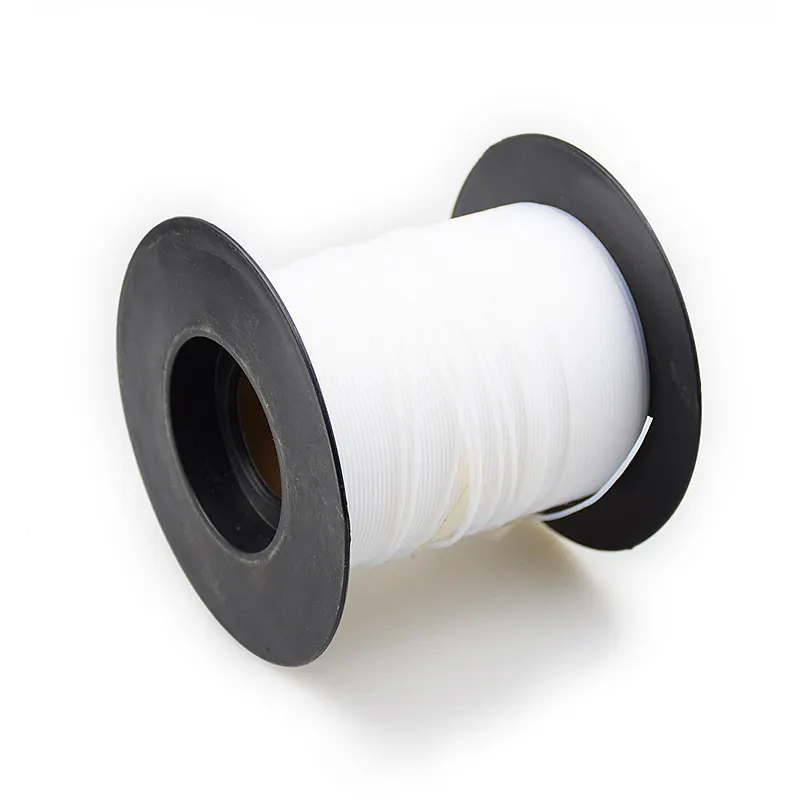
Yozonetech PTFE capillary tube will be packed on spool to protect.
Yozonetech PTFE capillary tube can be used in medical and food industry.