 +86-13752771911
 E-mail:ptfetube@yozonetech.cn




Silicone Reinforced Tubing
Product Overview
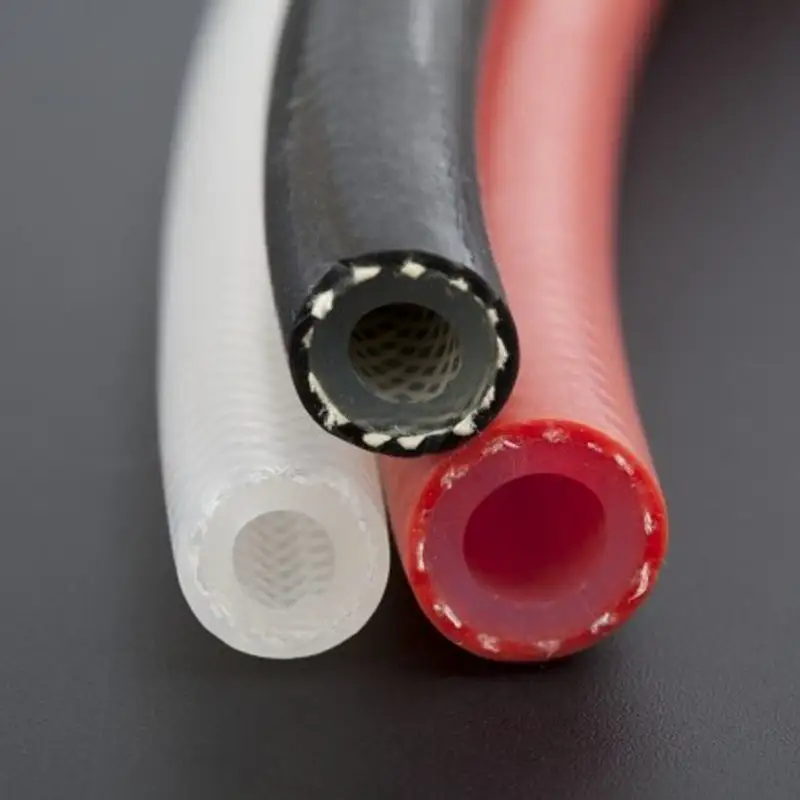
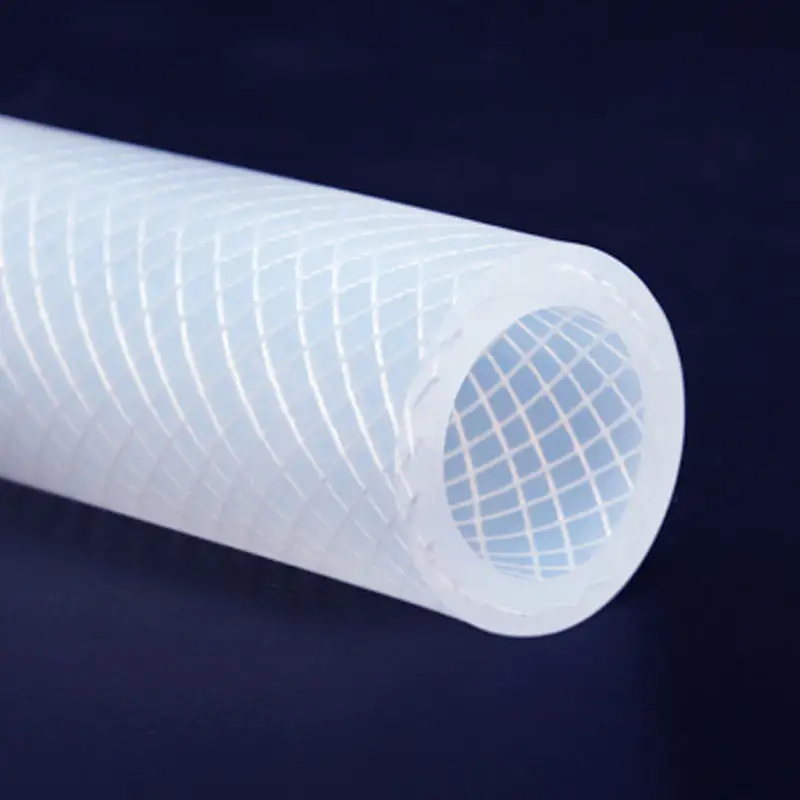
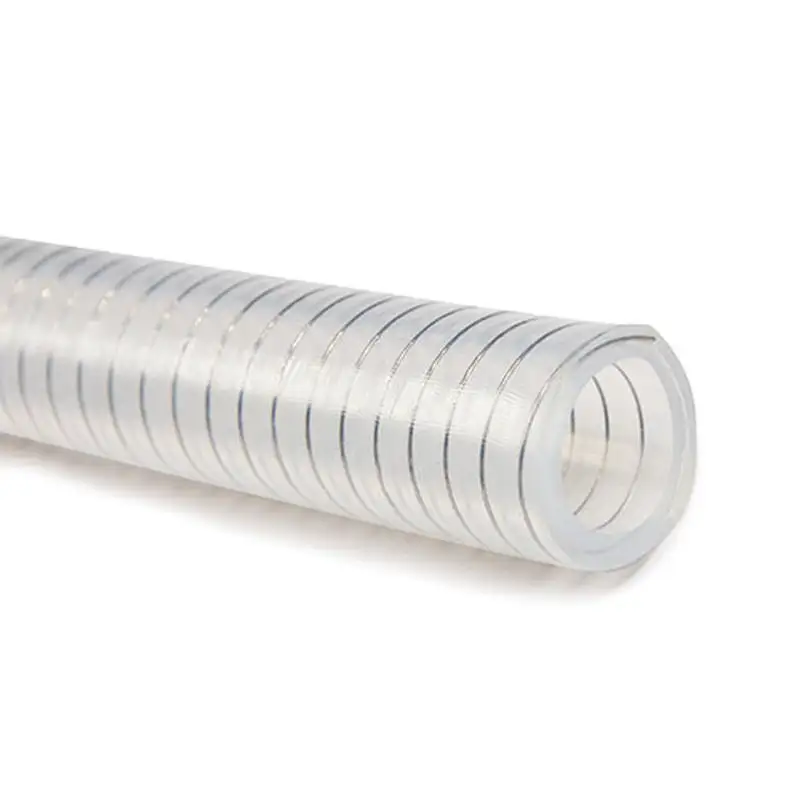
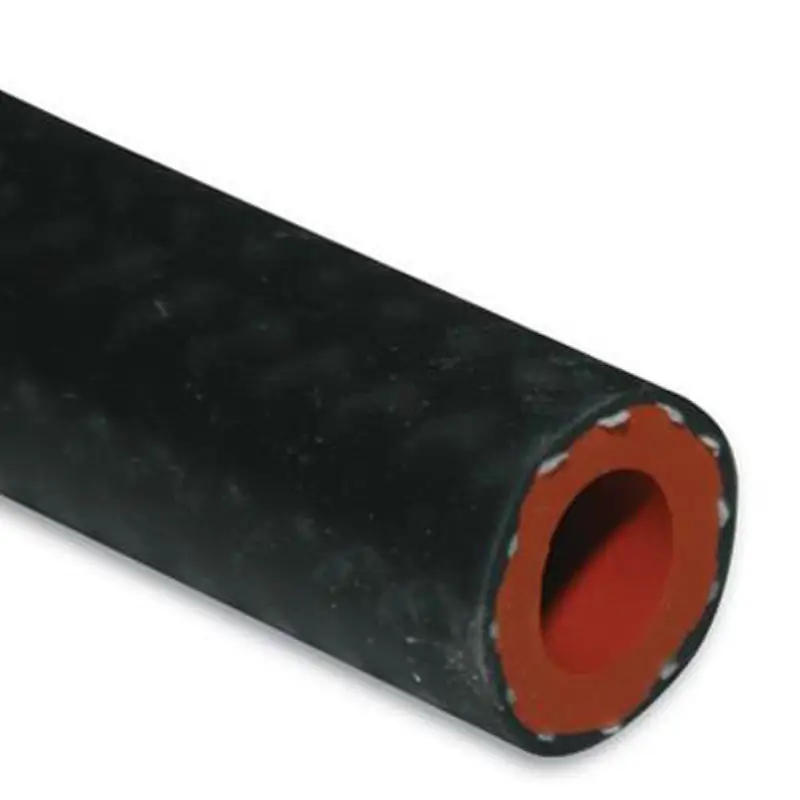
Yozonetech reinforced silicone tubing brings a flexible silicone flow path together with reinforcement selected for pressure, suction or thermal duty. Specify a compact braided tube for equipment connections or a fabric-and-wire construction for larger transfer lines. Liner, reinforcement and fittings are selected as one assembly.
Performance advantages
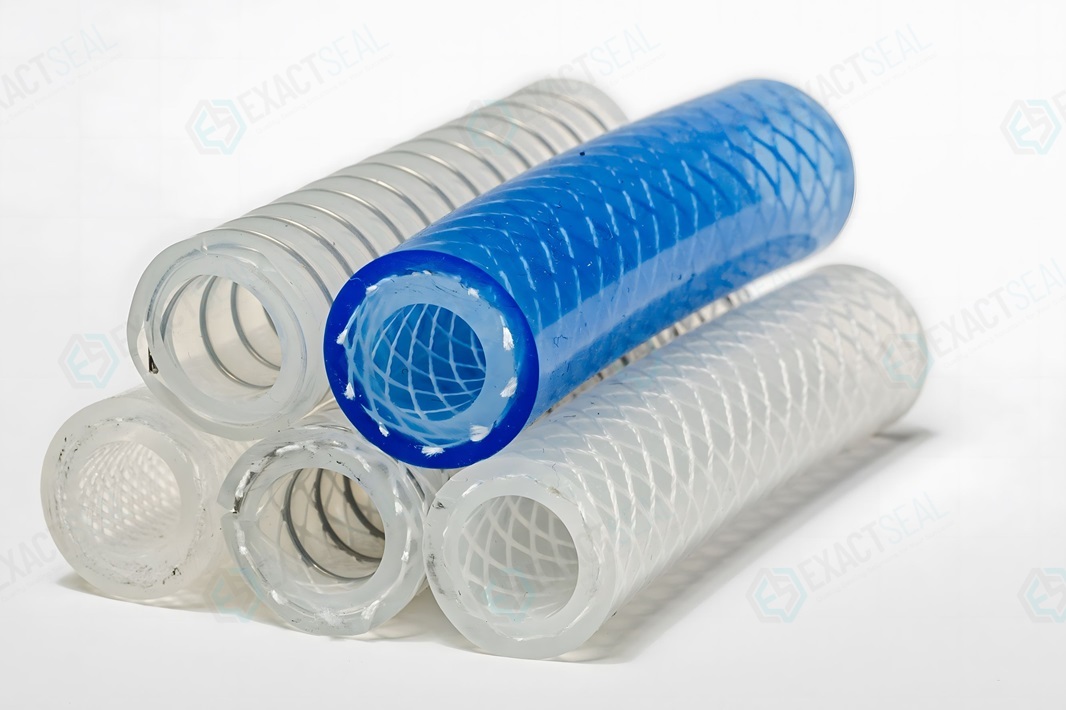
Silicone provides elasticity and resistance to ozone and weathering. A textile layer supports the wall against internal pressure, while a suitable helix helps resist collapse. Natural translucent constructions allow visual flow checks; opaque industrial covers can be specified where visibility is unnecessary.
Applications
Food and beverage transfer
Specify a documented food-contact liner for filling machines, compatible liquid ingredients and processing equipment. Cleaning temperature and product composition determine the formulation and cleaning cycle.
Pharmaceutical process connections
Consider qualified platinum-cured constructions for buffer transfer, filtration skids and process-vessel connections. Define the required biological, extractables and cleanliness evidence.
Laboratory and pilot equipment
Connect vessels, pumps and instruments where flexible routing is needed. Match the bore to the required flow and available installation space.
Pump suction and discharge
Select fabric-and-wire hose when suction resistance or larger bores are needed. Specify both operating pressure and vacuum because these are different performance requirements.
Thermal and industrial equipment
Evaluate appropriate reinforced grades for heated liquid circuits and equipment connections. State peak temperature, exposure duration and pressure at temperature.
OEM assemblies
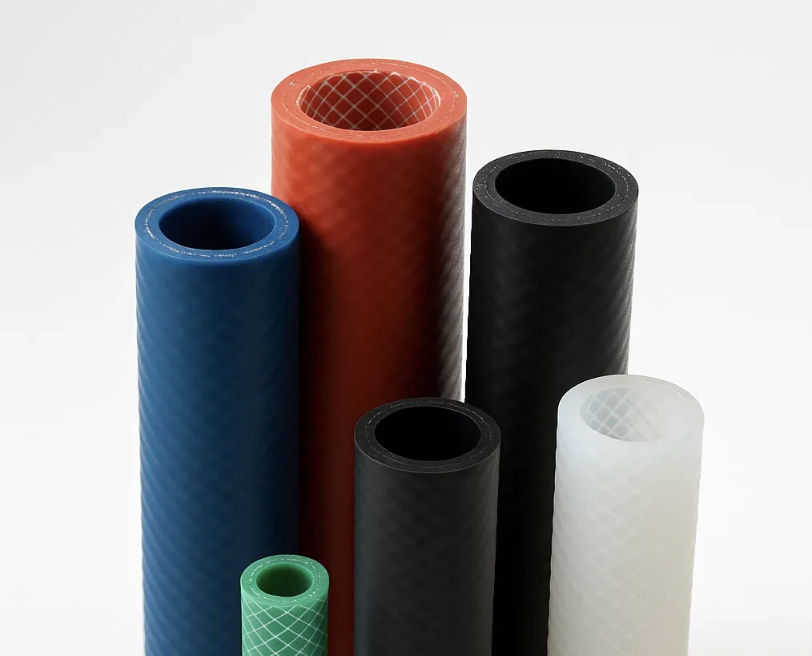
Specify liner cure, reinforcement, cover, end fittings and finished length. Different connections or reinforcement arrangements require their own assembly specification.
Reinforcement and material selection
| Reinforcement | Selection purpose |
| Polyester yarn or fabric | Pressure support in braided or layered constructions; a practical starting point for many transfer duties. |
| Para aramid yarn | High-strength textile option for custom engineering; specify fiber identity, braid design and acceptance tests. |
| Meta aramid fabric | Heat-resistant textile option for suitable industrial designs; distinct from para aramid. |
| Glass fiber braid or fabric | Industrial thermal reinforcement; assess enclosure, handling and compatibility with the process. |
| Stainless steel helix | Structural support against collapse and kinking; agree metal grade and wire geometry. |
| Combined textile and wire | Larger-bore construction combining internal-pressure reinforcement with bore support. |
Reinforcement options are subject to engineering and supply review. Fiber temperature capability does not establish the temperature limit of the completed hose.
| Technical item | Specification guidance |
| Liner and cover | Silicone compound and cure system selected for the fluid and service. |
| Hardness selection | 60–70 Shore A is a common starting range across liner and cover grades; final values are specified separately. |
| Thermal selection | Approximately −40 to +175°C is a useful initial screening range for some textile-reinforced designs; final duty depends on construction. |
| Pressure and vacuum | Specify continuous pressure, surge, vacuum level and operating temperature. |
| Bend radius | Agree minimum radius for the selected bore, wall, helix and duty. |
| Physical properties | Specify hardness, tensile, elongation and tear requirements for the relevant compound. |
| Tolerances | Agree ID, OD, ovality, length and fitting positions. |
| Steam or sterilization | State method, temperature, exposure time and number of cycles; validate the selected assembly. |
Nominal sizes for quotation
Use these nominal dimensions to request a quotation. Size, wall, tolerance, material grade and production availability are confirmed together before order acceptance. Dimensions alone do not establish a working-pressure or vacuum rating.
Braided tubing
| Inside diameter mm | Outside diameter mm | Nominal wall mm |
| 3.18 | 9.27 | 3.045 |
| 4.76 | 11.35 | 3.295 |
| 6.35 | 13.21 | 3.43 |
| 7.94 | 15.04 | 3.55 |
| 9.53 | 16.64 | 3.555 |
| 12.7 | 20.32 | 3.81 |
| 15.88 | 24.51 | 4.315 |
| 19.05 | 27.94 | 4.445 |
| 25.4 | 35.05 | 4.825 |
Larger fabric and wire constructions
| Inside diameter mm | Outside diameter mm | Nominal wall mm |
| 12.7 | 23.11 | 5.205 |
| 19.05 | 29.46 | 5.205 |
| 25.4 | 35.81 | 5.205 |
| 38.1 | 48.51 | 5.205 |
| 50.8 | 61.21 | 5.205 |
| 63.5 | 73.91 | 5.205 |
| 76.2 | 86.61 | 5.205 |
| 101.6 | 112.01 | 5.205 |
For microbore projects, include 1.59 mm ID or the required bore in your drawing enquiry. The listed larger constructions extend to 101.6 mm ID. A nominal size does not define the number of reinforcement layers, wire grade or operating rating.
Operating and qualification requirements
Pressure and coupling retention
Rate the assembly by the lowest applicable limit of hose, fitting and connection. Include surge and thermal cycling in the specification. Establish proof, burst and connection-retention criteria for the intended installation.
Vacuum and bending
Specify the vacuum level, temperature and duration together. A textile pressure braid alone does not establish vacuum resistance. Check hose shape at the tightest installed radius with the actual end connections.
Compatibility
Evaluate the full fluid formulation, including oils, solvents and cleaning additives. Review swelling, softening and permeation where these could affect the process. Select liner chemistry independently of the reinforcement material.
Cleaning and sterilization
Describe the CIP, SIP or autoclave process before selection. Confirm exposure duration, repeated-cycle limits and post-cycle mechanical performance. Sterilization compatibility is separate from continuous-steam service.
Installation and inspection
Avoid twisting and unsupported heavy fittings. Use compatible coupling designs and keep the required straight section at the ends. Inspect for cover damage, delamination, exposed yarn or wire, leakage and permanent flattening.
Food and bioprocess documentation
Specify applicable food-contact declarations, material traceability and biological or extractables documentation for the actual liner. An industrial reinforced hose and a qualified hygienic assembly have different acceptance requirements.
Request a quotation
Provide size, length, fluid, temperature cycle, pressure and vacuum, bend radius, reinforcement preference, end connections, cleaning procedure and quantity. Include any required inspection and compliance documents.
Frequently asked questions
- Why choose reinforced silicone tubing?
Reinforcement helps the hose resist deformation in a defined duty. Select a pressure braid for internal pressure or a qualified helix-supported structure for suction.
- Which reinforcement is most common?
Polyester is a common starting point for transfer hose. Layer count, braid coverage and liner dimensions determine the finished construction.
- Are para aramid and meta aramid interchangeable?
No. They are different fiber families with different strength, thermal and processing characteristics. Specify the required material and evaluate the finished hose construction.
- Can glass fiber be used?
Yes, it appears in industrial braided silicone constructions. Specify fiber containment, handling requirements and whether the design is suitable for the intended process.
- Does stainless wire mean a stainless braid?
No. A spiral wire supports the bore; an external wire braid is another structure. The specification should identify the wire arrangement and its purpose.
- Does it work under full vacuum?
Only when the selected hose has the required vacuum rating at its actual temperature and bend. Do not infer vacuum capability from pressure resistance.
- Can every construction operate at the same temperature?
No. The liner, textile, wire arrangement, connection and service conditions determine the final rating. Confirm continuous and short-term limits separately.
- What size range can I enquire about?
The tables cover braided and fabric-and-wire constructions from 3.18 to 101.6 mm ID. Smaller bore projects, including 1.59 mm ID, require separate engineering review.
- Can it be used in a peristaltic pump head?
Ordinary reinforced transfer hose is generally selected for connections outside the pump head. Use dedicated pump tubing matched to the pump’s geometry and fatigue requirements.
- Can custom ends and colors be specified?
Include them in the enquiry. The fitting design, color formulation, cleaning method and required documentation should be reviewed with the complete hose specification.