 +86-13752771911
 E-mail:ptfetube@yozonetech.cn




silicone medical tubing
-
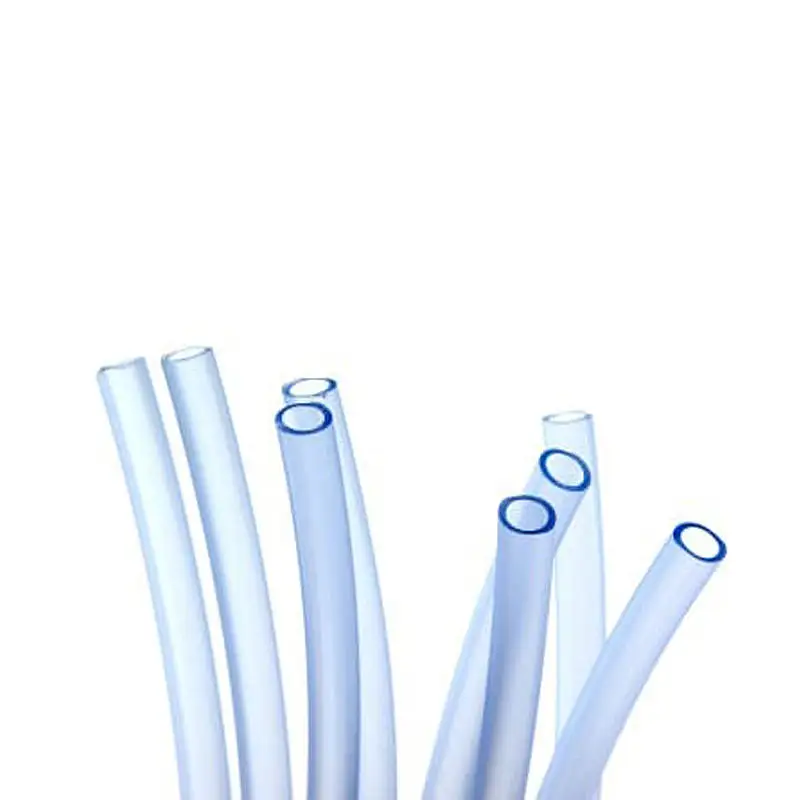
Medical Silicone Tubing USP Class VI
Product Overview
Yozonetech medical silicone tubing enquiries are built around the fluid path, dimensional requirements and applicable biological evaluation. Specify USP Class VI when your project requires that classification, together with the intended contact conditions and processing. Material, geometry and documentation must match the final application.
Product benefits
Flexible silicone tubing supports compact routing and controlled connections. A natural translucent wall helps reveal fluid movement and trapped air. Small bores reduce internal volume, while appropriately selected larger transfer sizes connect reservoirs, filtration units and process equipment.
Anwendungen
Diagnostic instruments
Consider qualified tubing for reagent delivery, sample preparation and instrument fluid circuits. Review reagent compatibility, adsorption, carryover and dimensional consistency.
Medical equipment fluid paths
Define the intended fluid, direct or indirect patient contact, duration and pressure before selection. The tubing specification must be assessed with the completed device.
Biopharmaceutical transfer
Evaluate qualified grades for buffer and media preparation, filtration connections and filling assemblies. Specify extractables, endotoxin and cleanliness requirements for the process.
Peristaltic dosing
Select a pump-qualified formulation and validate dosing consistency, fatigue life and particulate generation at the actual pump settings.
Laboratory and research assemblies
Use application-qualified tubing for fluid transfer, sampling and vessel connections. Agree cleaning and handling conditions to protect the required cleanliness.
Single use assemblies
Specify connection geometry, packaging and sterilization requirements as a complete system. Sterile supply and validated shelf life must be expressly established for the offered assembly.
Technical specification for medical applications
Parameter Selection and acceptance requirements Material and cure Specify the silicone compound and cure system; platinum curing is a common choice for high-purity fluid paths. Härte 50–65 Shore A is a common starting range across medical transfer grades; final value and tolerance are compound-specific. Dimensions Nominal selection approximately 0.305–25.4 mm ID; agree ID, OD, wall, concentricity and cut-length tolerance. Operating temperature Specify normal temperature, excursions and exposure time. Use the qualified compound and assembly limit. Working pressure Specify continuous and pulse pressure at actual temperature; include fitting-retention requirements. Vacuum and bend radius Define suction conditions and the tightest installed radius; verify resistance to collapse. Mechanical properties Agree hardness, tensile strength, elongation, tear strength and compression-set requirements as applicable. Biological evidence Specify the required USP <88> Class VI report and other biological evaluations for the actual material or article. Extractables and leachables Define fluid, contact duration, temperature and analytical requirements for the application. Cleanliness Specify particulate, bioburden and endotoxin limits where required; agree test methods and sampling. Sterilization Define method, dose or temperature, exposure duration and cycle count. Packaging and traceability Specify sterile or non-sterile state, bagging, lot coding and labeling requirements. Qualification matched to intended use
USP Class VI is a biological reactivity classification, not a declaration of sterility or an approval of the finished medical device. Define the nature and duration of contact and assess the final article after manufacturing, assembly and sterilization. Implant use requires a separately qualified material and device evaluation.
Nominal sizes for quotation
Use these nominal dimensions to request a quotation. Size, wall, tolerance, material grade and production availability are confirmed together before order acceptance. Dimensions alone do not establish a working-pressure or vacuum rating.
Inside diameter mm Outside diameter mm Nominal wall mm 0.3048 0.6096 0.152 0.508 0.9144 0.203 0.635 1.1938 0.279 0.762 1.6764 0.457 1.016 2.1844 0.584 1.4732 1.9304 0.229 0.76 4.06 1.65 1.59 3.18 0.795 1.59 4.76 1.585 1.98 3.58 0.8 2.38 5.56 1.59 3.18 6.35 1.585 3.18 9.53 3.175 3.97 7.14 1.585 4.76 7.94 1.59 6.35 9.53 1.59 6.35 12.7 3.175 7.94 11.11 1.585 9.53 12.7 1.585 12.7 19.05 3.175 15.88 22.23 3.175 22.225 28.575 3.175 25.4 31.75 3.175 25.4 38.1 6.35 Dimensions are rounded nominal values. Wall is calculated from the displayed ID and OD; specify actual manufacturing tolerances separately. Microbore and larger transfer sizes may need different formulations, tooling and qualification.
Sterilization cleanliness and application control
Sterilization method
Identify autoclave, irradiation, ethylene oxide or another required process. Define temperature and holding time or dose, the number of cycles, and packaging conditions. Do not use a generic material temperature limit as a sterilization specification.
After sterilization
Evaluate dimensions, mechanical performance, connection integrity and relevant biological or chemical attributes after the intended process. Repeated treatment requires evidence for the actual number of cycles and service conditions.
Fluid compatibility
Review the complete fluid formulation and all cleaning or processing agents. For sensitive fluids, consider adsorption, permeation and extractables as well as visible swelling or cracking. Validate the full wetted assembly.
Clean handling and packaging
Define handling controls, cutting cleanliness, packaging layers and closure method. Agree particle, bioburden and endotoxin requirements where applicable. An unverified cleanroom claim does not establish the cleanliness of the delivered tubing.
Pumps and pressurized systems
Specify pump geometry, speed, occlusion and intended life. For injection or pulse-pressure duty, assess transient pressure, leakage and connection retention with the finished assembly. The material designation alone does not qualify the system.
Qualification documents
Include a Certificate of Conformity, material identity, lot traceability and the relevant biological, chemical and dimensional requirements in the purchase specification. Food-contact documentation does not replace medical-device biological evaluation.
Request a medical tubing quotation
Provide the drawing, fluid, contact conditions, operating temperature, pressure or vacuum, sterilization, packaging, annual volume and required test documentation. This enables an application-specific review of both tubing and supporting evidence.
Frequently asked questions
- What does USP Class VI mean?
It is a biological reactivity classification under USP <88>. Request the applicable report and confirm that it covers the specified material or article.
- Does Class VI mean the tube is sterile?
No. Biological reactivity classification and sterility are different requirements. Specify sterile or non-sterile supply and the applicable validation separately.
- Does it mean the finished device is approved?
No. A material test report does not authorize the completed device. Biological evaluation also considers the device, manufacturing process and contact conditions.
- Is platinum curing mandatory for Class VI?
Class VI describes test results, not a curing system. Platinum-cured grades are common, but the report must match the specified material or article.
- Is this tubing automatically implantable?
No. Implant use requires specifically qualified materials and evaluation of the complete device, including processing and sterilization.
- Can it be used in an injector?
Only after evaluating the exact tube and assembly for pressure, connections, fluid compatibility and biological requirements. Specify pressure pulses and the intended contact conditions.
- What dimensions can I enquire about?
The table covers approximately 0.305–25.4 mm ID with several wall combinations. Confirm production feasibility, tolerance and qualification for the selected size.
- Can it be repeatedly autoclaved?
Only with supporting cycle-life data for the supplied grade. A single validated cycle must not be presented as evidence for unlimited reuse.
- Can it be used for long-duration pumping?
Specify a pump-qualified grade and verify flow accuracy and service life under the real pump settings. General transfer-tubing data are insufficient.
- Which documents should accompany an enquiry?
Include your drawing, intended use, contact conditions, sterilization specification and required material tests. This enables review of both the physical tube and its documentation.
